The Future in Fiction
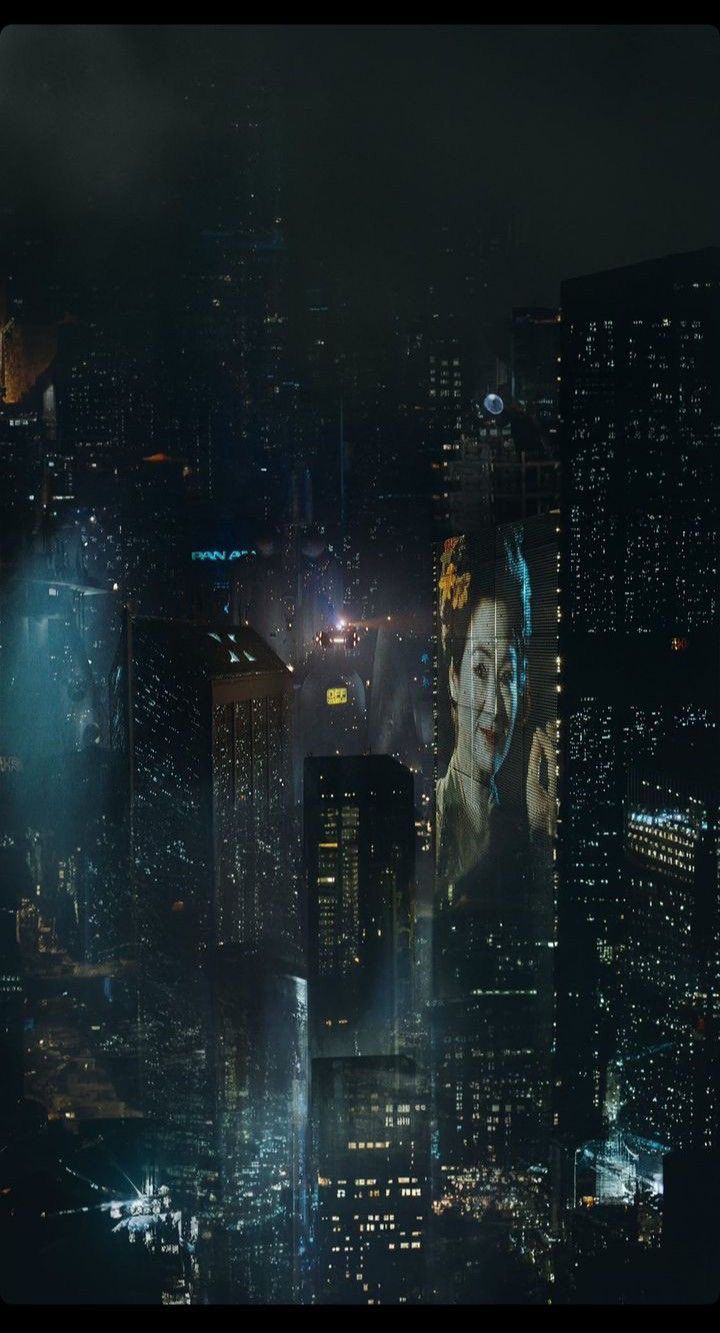
Examples of The Future in Fiction
Blade Runner explores the philosophical question of what makes a person human, and how humans relate to machines and replicants. The film also explores the implications of genetic engineering and the ability to perceive social inequality.
The film explores what makes a person human, and how humans relate to machines and replicants.
Humanity created replicants to be used as slaves, but they possess an eerie humanity
Delves into profound themes like slavery, the essence of humanity, the pursuit of immortality, and the quest for identity.
Future Development
The future is unpredictable and unknown. However it can be imagined by looking at current trends and how the world has changed in the past 100 years.
How will the future look in a 500 years?
Technology will be the main reason for communication
Humanity will be entirely dependent on technology and A.I
Space travel will start to happen
Would we be still living on earth?
Would earth still be habitable? Climate change is one of our biggest threats. If we act fast, we could shift to renewable energy and avoid the worst effects. If not, we might face food shortages, extreme weather, and mass migrations
AI, automation, and robotics will likely transform every industry. We might see AI assistants that feel almost human, advanced biotech that extends life expectancy, and even brain-computer interfaces that merge human minds with machines.
Space exploration would start to become more important and a need.
How would class structures look like? Would the world be able to solve world hunger or would we make it worse.
Poverty vs Wealthy
What makes a human? How will technology impact us and our bodies?
Will we live longer lives?
Will we alter our bodies to become a perfect version of ourselves?
Themes in Science Fiction
The future painted by these novels is of devastating pandemics, a runaway climate crisis, and rule by grasping elites, where enhanced post-humans, with evolving concepts of gender, prefer to live disembodied lives, enabled by, and battling with, artificial intelligence. Dystopian cyberpunk vision has characterized much of the genre in recent years. There has always been a fear of scientific progress since the first science fiction novel. It makes us ask the question, are we leading towards our demise or a paradise.
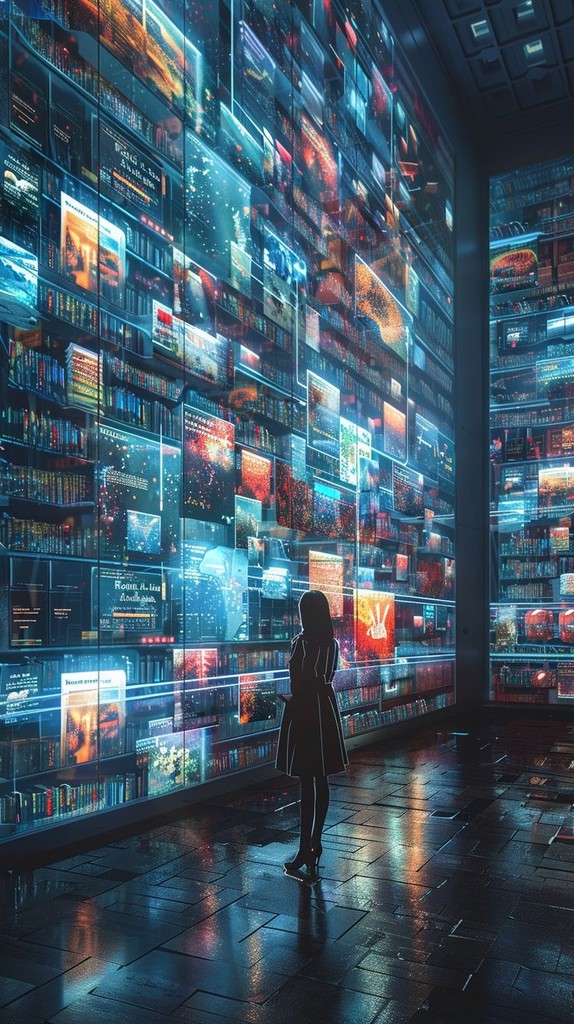
Philosophy and science fiction are deeply intertwined, with sci-fi often serving as a testing ground for philosophical ideas. Sci-fi explores big questions about existence, consciousness, morality, and society through speculative storytelling. Some key philosophical themes in sci-fi include:
Metaphysics and Reality
What is real? Sci-fi often blurs the line between reality and illusion, questioning whether our perceptions are trustworthy.
2. Consciousness and AI
Can machines be conscious? What does it mean to be human? Many sci-fi stories question the nature of consciousness and whether artificial intelligence can possess it.
3. Time and Free Will
Is time linear? Do we have free will? Sci-fi often plays with time travel, paradoxes, and the consequences of determinism.
4. Ethics and Society
What are the moral limits of science? How should we structure society? Sci-fi serves as a playground for ethical dilemmas regarding technology, governance, and human rights.
5. The Meaning of Life and Existentialism
Are we alone? What is our purpose? Sci-fi often deals with existential questions about human significance in a vast universe.